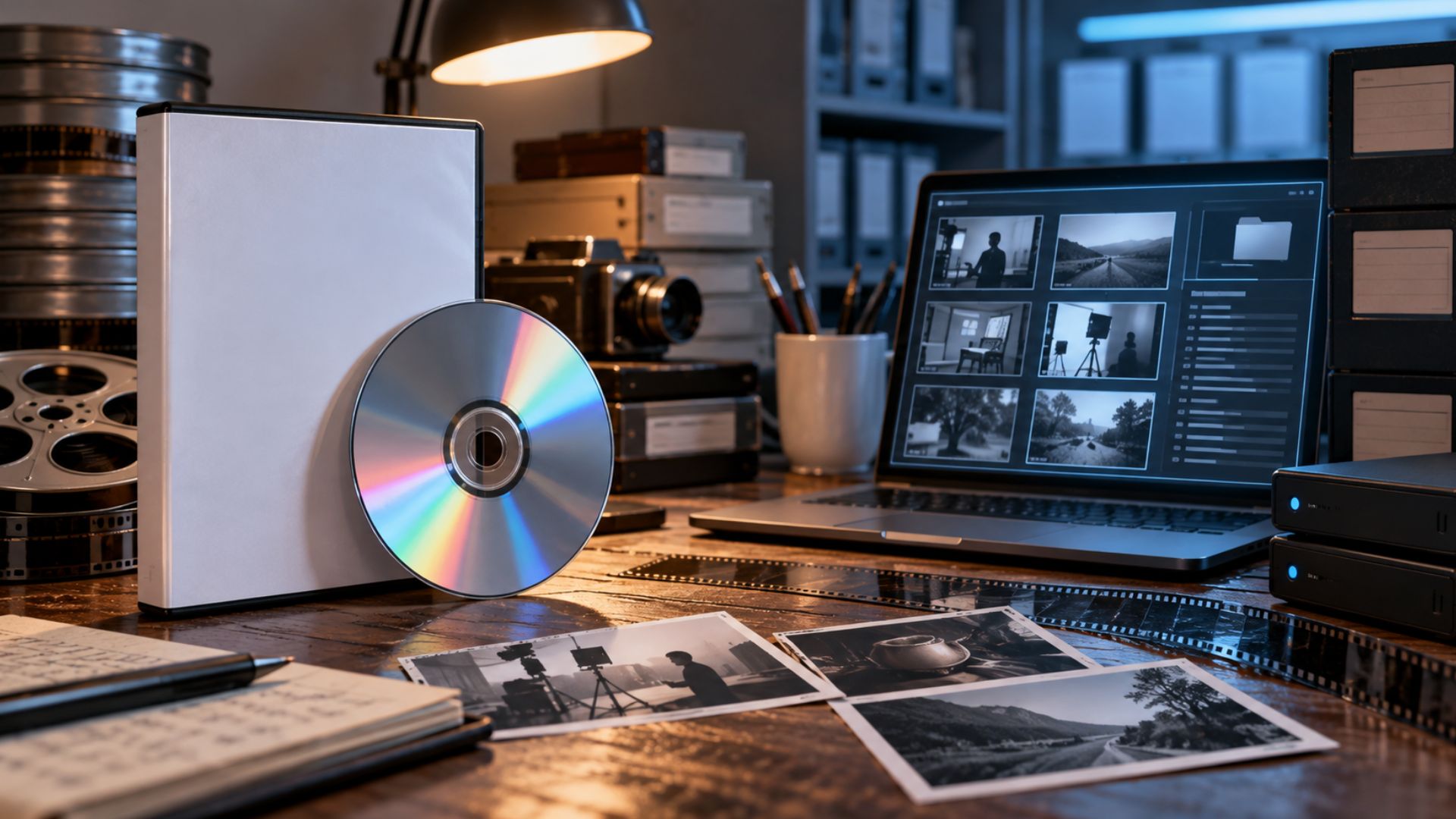
The DVD era changed more than the way films were packaged. It changed how audiences encountered the material surrounding a film: deleted scenes, director commentaries, interviews, alternate endings, production notes and short documentaries. These additions gave viewers access to stories that had previously remained outside the main feature. They also showed publishers that a smaller, highly interested audience could support material that would never receive a wide theatrical release.
That lesson remains useful in the streaming age. Niche subjects do not always need mass appeal, but they do need clear context, thoughtful presentation and a reliable path to the people who want them. Whether the subject is film history, a specialist hobby, an independent creator or an adult lifestyle publication, the basic editorial challenge is similar. The publisher must explain why the material matters and make it easy to navigate without misrepresenting its scope.
DVDs Turned Context Into a Product Feature
Home video existed before DVD, but the format made supplementary material easier to organise and promote. Menus could separate the feature from interviews, trailers, language tracks and production material. Chapters allowed viewers to return to a precise scene. Higher storage capacity supported multiple versions of a title on one release.
These features encouraged audiences to treat a film as something that could be studied rather than simply watched. A commentary track might explain a lighting decision. A documentary could place a low-budget production within a larger movement. Deleted scenes revealed how pacing and character changed during editing. Even a still-image gallery could preserve costumes, sets and promotional materials that might otherwise disappear.
Crush DV’s account of DVD’s three standardised formats provides useful background on the medium’s technical structure. The company’s historical identity and legacy also shows how authoring studios helped independent distributors turn source material into a coherent product. Technical preparation and editorial organisation worked together.
Niche Publishing Depends on Framing
A specialist audience usually arrives with a particular interest, but not every reader brings the same level of knowledge. Good niche publishing gives newcomers enough context without exhausting experienced readers with basic explanations. Clear headings, descriptive links and short introductions help both groups decide where to begin.
DVD menus performed this function visually. A viewer could choose the feature, a behind-the-scenes section or a commentary without reading a manual. Modern websites must solve the same problem through navigation and editorial structure. A vague button such as “Click here” says little about what follows. A descriptive anchor tells the reader whether the destination is a history, guide, interview or opinion piece.
Independent lifestyle sites use this approach as well. The Charlotte Action blog is one example of a niche publication using individual posts to address a defined adult audience. Its subject differs from film preservation, but the publishing principle is familiar: a focused article can answer a specific interest more effectively than a general homepage can. That is also why deep links are valuable. They take readers directly to the relevant discussion.
Supplementary Material Can Preserve Cultural Evidence
An interview recorded for a disc may later become one of the few surviving accounts of a production. Photographs of a set may document a location that has since changed. A commentary can preserve working practices, disagreements and constraints that are not visible in the finished film. Extras once treated as promotional material can acquire historical value.
The Library of Congress National Film Preservation Board explains the public importance of identifying and preserving film. Preservation is not limited to famous features. Industrial films, home movies, documentaries and other forms can reveal how people worked, travelled, advertised and understood their time.
This broader view matters when deciding what to retain. A polished master is valuable, but so are the records that explain it: scripts, captions, menus, artwork, contracts, production notes and interviews. Digital preservation requires more than copying the final video file to a new drive. Future users need enough information to identify the work, understand its version and know how its parts relate.
Physical Media Creates a Stable Edition
Streaming libraries can change without warning. A title may disappear because a licence expires, a service closes or a distributor revises its catalogue. A physical disc can also fail, but it remains a defined edition held by the owner. Its menu, extras, subtitles and packaging stay together.
That stability matters to collectors and researchers. Two editions of the same film may contain different cuts or commentaries. Packaging can record how a title was marketed to a particular country or audience. A disc therefore carries both the film and a history of its release.
The National Film Preservation Foundation demonstrates how discs and books can bring preserved films to the public with explanatory material. The value lies in the combination. Viewers receive the work along with information that helps them recognise its context.
Web publishers can borrow this idea by treating an article as a stable edition. Record the publication date, identify later updates and avoid silently changing important claims. Link to primary sources where possible. If an article summarises a controversial or sensitive subject, distinguish documented facts from interpretation. Readers should be able to understand what the page represents and when it was current.
Sensitive Subjects Need Precise Editorial Choices
Niche publishing often covers topics that broad media handle only superficially. This creates an opportunity, but it also creates responsibility. A specialist publisher should not assume that familiarity within its audience removes the need for accuracy, consent or respectful language.
The title should describe the actual subject rather than exaggerating it. Images should not expose people who expected privacy. Links should lead where their anchor text promises. If a post involves adult services, health, law or personal safety, it should avoid presenting anecdote as universal advice. Relevant official guidance should be used when factual claims depend on regulation or public policy.
These standards resemble the care once required in disc authoring. A subtitle error could change meaning. A wrong chapter point could frustrate navigation. A missing rights clearance could prevent distribution. Small production choices affected the credibility of the whole release.
Archives Need Relationships Between Items
A folder filled with unnamed video files is not a useful archive. Neither is a website containing hundreds of isolated posts. Each item becomes easier to understand when it is connected to related material through categories, descriptive internal links and consistent metadata.
For a film release, those relationships might connect the main feature to a trailer, interview and image gallery. For a publication, one article might link to background history, a practical guide and a later update. Internal links help readers follow an idea, but they also help editors see where information has been repeated or contradicted.
This structure should remain selective. Adding ten weak links to every page can make navigation harder. One or two well-chosen internal links often provide a clearer route. The destination should expand the subject, define a term or supply evidence, not merely keep a visitor clicking.
The Lasting Lesson of DVD Authoring
DVD authoring brought together engineering, design and editorial judgement. Video had to be compressed correctly, but the viewer also needed readable menus and a logical route through the content. The work succeeded when the technology became almost invisible and the organisation felt natural.
Digital publishers face the same test. A website may load quickly and still fail if readers cannot understand its structure. An article may rank in search and still disappoint if its title overpromises. A niche subject may attract attention and still lose trust if sources are unclear.
The strongest releases and publications respect the audience’s reason for arriving. They present the main work cleanly, provide context for readers who want to go deeper and preserve enough information for the material to remain useful later. DVDs made that model familiar to a generation of viewers. Today, the same model can guide any publisher responsible for specialist stories that deserve a durable and well-organised home.